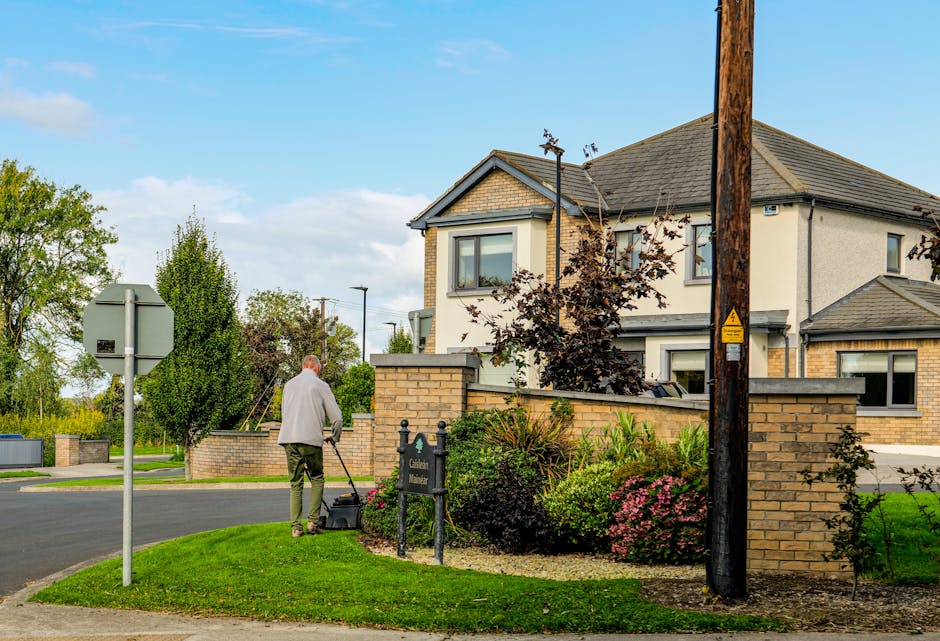
Garden maintenance for Grove Park homes in Downham
If you live in Grove Park and your garden is in that slightly awkward in-between stage - tidy enough to ignore, messy enough to nag at you every time you open the back door - you are not alone. Garden maintenance for Grove Park homes in Downham is really about keeping outdoor space healthy, manageable, and pleasant to use without letting weeds, hedges, lawns, and borders quietly take over. In a London setting, where gardens can be compact, shaded, exposed, or just very busy to keep on top of, a steady maintenance routine makes a noticeable difference.
This guide breaks down what proper garden maintenance involves, how it works in practice, who it suits, and what to watch out for. You will also find a simple checklist, comparison table, and a few grounded tips drawn from everyday garden realities rather than wishful thinking. Let's face it, most gardens do not fail all at once. They just drift. This article helps you stop that drift.
Why Garden maintenance for Grove Park homes in Downham Matters
Most gardens do not need dramatic intervention every week. What they need is consistency. That is especially true in Grove Park, where homes often have a mix of small front gardens, enclosed rear spaces, mature planting, fences, patios, and the occasional stubborn corner that never gets enough light. Garden maintenance for Grove Park homes in Downham matters because the local garden rhythm is a real one: growth surges in spring, lawns thicken and need cutting, hedges put on weight quickly, and neglected borders can become a headache before you realise it.
A well-kept garden is not just about appearances, though that is part of it. It is also about the practical stuff: easier access, safer paths, healthier plants, fewer pest issues, and less time spent doing a frantic clean-up before guests arrive. If you have ever spent a Saturday morning pulling nettles, sweeping leaves, and discovering that one hedge has somehow doubled in size, you know exactly what I mean.
There is also a property value angle, but it is best understood in ordinary terms. A cared-for garden feels like part of the home rather than an afterthought. It tells visitors, buyers, and frankly you yourself, that the space is usable. That can matter a lot in Downham and nearby Grove Park, where outdoor space is often one of the most valuable parts of the property.
Practical takeaway: maintenance is less about big rescue jobs and more about preventing small problems from turning into expensive, time-consuming ones.
How Garden maintenance for Grove Park homes in Downham Works
At its simplest, garden maintenance is a repeatable routine of jobs carried out at the right time. It is not one single task. It is a combination of care, trimming, cutting, clearing, feeding, tidying, and checking for issues. The exact mix depends on the garden, the season, and how much time you want to spend on it yourself.
For many homes, a maintenance plan includes mowing, edging, hedge trimming, weed control, leaf clearance, pruning, border tidying, and occasional pressure washing or soft cleaning around paths and patios. In a larger or more mature garden, you may also need seasonal shrub shaping, tree care, and clearance of dead material. Some gardens need light weekly attention; others work better with fortnightly or monthly visits plus a heavier seasonal visit.
If the garden has become overloaded, a one-off reset can help. That might mean a clearance first, then a regular maintenance schedule after. You can see how that fits with garden clearance when a space has gone beyond routine tidying. For ongoing care, a broader package like garden maintenance is usually the better long-term fit.
A good maintenance process normally starts with a walk-through of the space. What is growing quickly? What is causing access issues? What is seasonal, and what is a sign of neglect? That first look matters. It helps avoid the common mistake of treating every garden like a lawn plus hedge job. Some gardens need structure. Others need patience. A few need both, which is always a bit annoying, but fair enough.
Key Benefits and Practical Advantages
There are plenty of reasons to stay on top of garden care, and most of them are very everyday reasons. Nothing glamorous. Just useful.
- Better appearance: tidy edges, clipped growth, and clean borders make the garden feel looked after.
- Healthier planting: regular pruning, feeding, and weed control reduce stress on plants and shrubs.
- Less heavy lifting later: a little maintenance now usually means less labour at the end of the month.
- Improved safety: clear paths, controlled growth, and sensible tree or hedge management reduce trip and snag risks.
- More usable space: patios, lawns, and seating areas are easier to enjoy when they are not buried under debris.
- Seasonal readiness: gardens handle wind, rain, heat, and leaf fall better when they are kept in shape.
There is another benefit people do not always say out loud: a maintained garden feels calmer. You notice this on a grey weekday morning when the lawn is neat, the bins are not hidden behind brambles, and the back step is free of slippery leaves. It just makes the home feel more sorted.
For homeowners who want a more polished outdoor setting, maintenance can also support future upgrades. If you are thinking ahead to layout changes, seating zones, or paths, it can help to look at landscape gardening or landscaping later on, once the garden is stable and easier to assess properly.
Who This Is For and When It Makes Sense
Garden maintenance is not just for keen gardeners with perfect boots and organised sheds. Truth be told, it is often most useful for busy homeowners, families with limited time, older residents who would rather not handle the heavier work, landlords keeping outdoor space presentable, and anyone who has inherited a garden that looks good from the window but is a bit much once you step outside.
It also makes sense if your garden behaves like a seasonal wildcard. Some spaces explode in growth after rain. Others get clogged with leaf litter by early autumn. Some are shaded and damp, which means moss and weeds are constant visitors. Others are sunny but fast-growing, so you blink and the hedge has put on three inches. Different problem, same result: the garden needs routine attention.
Here are a few common moments when people start looking for maintenance support:
- the lawn has become patchy or uneven and needs regular mowing
- hedges are starting to block light or overhang boundaries
- beds and borders are filling with weeds faster than they can be removed
- paths, steps, or patios are getting slippery with moss or debris
- the garden looks untidy even after you have "had a go" at it
- you are preparing for a property sale, rental inspection, or family visit
For hedge-heavy gardens, it can also be useful to pair maintenance with hedge trimming. And if overgrown trees are shading the space or becoming unruly, tree lopping and removal may be part of the wider plan, provided the work is assessed sensibly and carried out safely.
Step-by-Step Guidance
If you want to understand how good garden maintenance actually happens, it helps to break it down into a simple sequence. No drama. Just practical steps.
- Assess the garden properly. Look at lawn condition, hedge shape, weed pressure, drainage, access, and any broken or awkward areas.
- Prioritise the highest-impact jobs. Usually that means mowing, edging, clearing, and cutting back growth that blocks light or movement.
- Remove waste as you go. Piles of clippings and cuttings can make the garden feel messier than it is.
- Work from the edges inward. This keeps the space manageable and stops you trampling cleaned areas.
- Check for plant health issues. Look for yellowing leaves, black spot, pests, or drought stress before they spread.
- Finish with detail work. Sweep paths, neaten borders, and check gates, beds, and access points.
- Set the next visit or task date. Maintenance works best when it is scheduled, not remembered at the last minute.
That sequence sounds simple, and it is. The difficulty is usually consistency. A small maintenance job takes half the time of a neglected one. That is the bit people only believe after they have let the garden go for a month or two. We have all been there.
If you want a broader view of service types and how they fit together, the services overview can help you think through whether you need routine care, one-off work, or a combination of both.
Expert Tips for Better Results
Good garden maintenance is not only about doing more. It is about doing the right things at the right time, and not turning a tidy garden into a stressed one.
- Cut little and often where possible. Lawns, hedges, and fast-growing borders usually respond better to regular attention than occasional hard cuts.
- Do not let clippings sit. Wet cut grass and hedge debris can smother healthy growth and leave the space smelling a bit stale.
- Watch the weather. A dry spell changes watering priorities. A windy week changes the amount of debris you will need to clear.
- Keep an eye on the soil. Compacted or dry soil can make plants look tired even when they are otherwise fine.
- Make access easier. If you can move around the garden safely, everything else becomes easier too.
- Use seasonal judgement. Some pruning is best left until the plant is dormant or less active. Rushing it can do more harm than good.
A small, slightly old-fashioned but useful tip: stand at the back door and look at the garden like a visitor would. What do you notice first? Usually that tells you where to start. It is not technical, but it works surprisingly well.
And yes, sometimes the job is just too big for a spare hour and a half on a Sunday. There is no shame in that. Gardens can be demanding little things.
Common Mistakes to Avoid
Most garden problems come from a few repeat mistakes. The good news is they are avoidable once you see them clearly.
- Leaving everything until it looks severe. By then, what was routine becomes corrective work.
- Over-cutting hedges or shrubs. A hard trim can leave gaps, stress the plant, or spoil the shape for months.
- Ignoring lawn edges. A lawn can look scruffy even when the middle is mown neatly.
- Skipping waste removal. Clippings, branches, and leaf piles make a maintained garden look half-finished.
- Forgetting access and safety. Slips, unstable ground, hidden debris, and blocked routes are easy to miss.
- Treating every season the same way. Winter, spring, and late summer each ask for different priorities.
One common trap is trying to do a "full garden reset" in one go, then never touching it again. That usually leads to the same point, just with more effort and a sore back. Better to aim for manageable upkeep. Boring? A little. Effective? Very.
Another mistake is overlooking the value of small finishing touches. Clean edges, swept paving, straightened plant supports, and a tidy compost or waste area can change the whole feel of the garden. Tiny details. Big difference.
Tools, Resources and Recommendations
You do not need a van full of specialist gear for most domestic garden maintenance jobs, but having the right tools saves time and reduces frustration. Which, to be fair, is half the battle.
| Task | Useful tools or equipment | What to look for |
|---|---|---|
| Lawn care | Mower, edging tool, rake | Clean cutting, consistent height, safe handling |
| Hedge trimming | Hedge trimmer, secateurs, gloves | Sharp blades, control, ability to tidy corners |
| Weed and border work | Hand fork, hoe, trowel, kneeler | Comfort, precision, easy access to roots |
| Clearance and waste | Rake, bags, tarpaulin, wheelbarrow | Easy lifting, sorting, and removal |
| Light pruning | Secateurs, loppers, pruning saw | Clean cuts and suitable size for the stem |
If the garden includes decking or outdoor timber features, routine care should also include checking for slips, dirt build-up, and wear. In those cases, decking services can be relevant if repairs, upgrades, or replacement are needed rather than just cleaning.
For residents who want to understand service quality and reassurance before booking, it is sensible to review practical business information too. Pages like insurance and safety, health and safety policy, and recycling and sustainability show the kind of standards a professional provider should think about. That is not overkill. It is just good sense.
Law, Compliance, Standards, or Best Practice
For most homeowners, garden maintenance is straightforward domestic work. Still, a few best-practice points matter, especially when the work involves ladders, sharp tools, tree work, waste removal, or access near boundaries and neighbouring properties.
In the UK, sensible garden work should follow safe working practices, proper handling of equipment, and attention to waste disposal. If a task involves trees that are large, unstable, or close to structures, it is wise to treat that as specialist work rather than a quick DIY fix. Likewise, if there is a risk of falling debris, hidden stumps, or trip hazards, the job needs planning. It sounds obvious, but people skip the obvious all the time.
Best practice for domestic maintenance usually includes:
- using tools appropriate to the job, not whatever is closest
- wearing suitable gloves, eye protection, and sturdy footwear where needed
- keeping walkways and exits clear
- disposing of green waste responsibly
- checking for neighbouring overhang or boundary issues before cutting
- avoiding damage to roots, fences, paving, and buried services
If you are comparing providers, it is reasonable to look for clear terms, fair pricing, and straightforward communication. The pages on pricing and quotes and terms and conditions are the kind of pages that help you understand expectations before any work begins.
For everyday homeowners, the main principle is simple: maintain safely, maintain consistently, and do not force a job beyond what the space or equipment can handle comfortably.
Options, Methods, or Comparison Table
Different gardens need different approaches. A quick comparison helps make the choice clearer.
| Approach | Best for | Pros | Limitations |
|---|---|---|---|
| DIY maintenance | Small, simple gardens and confident household gardeners | Flexible, hands-on, lower direct cost | Time-consuming, easy to fall behind, equipment needed |
| One-off tidy-up | Neglected gardens or pre-sale preparation | Fast improvement, useful reset | Does not solve ongoing growth issues |
| Regular maintenance visits | Busy households, rental properties, recurring seasonal growth | Stable appearance, easier upkeep, fewer surprises | Works best when booked consistently |
| Maintenance plus improvement work | Gardens needing structure or redesign | Can improve function and appearance together | Usually takes more planning and budget |
For many Grove Park homeowners, the sweet spot is not one method forever. It is a practical blend. A one-off reset if the space has slipped, followed by regular maintenance, with landscaping improvements only where they truly add value.
Case Study or Real-World Example
Imagine a typical semi-detached home near Grove Park with a modest rear garden, one long hedge, a patchy lawn, and a patio that has become the unofficial storage area for leaves and pots. Nothing dramatic. Just a garden that has drifted over two or three months.
The first visit focuses on the obvious issues: grass cutting, edging, hedge reduction to a sensible line, weed removal from borders, and clearing the patio. Once the clutter is gone, the space immediately looks bigger. That is always a nice moment. You can almost hear the garden exhale.
From there, the maintenance plan becomes simple:
- fortnightly or monthly lawn cuts during active growth
- periodic hedge shaping so the boundary does not creep outward
- light border weeding and deadheading where needed
- autumn leaf clearance before paths become slippery
- occasional checks on timber, paving, and access points
The result is not a show garden. It is something better for most households: a garden that stays usable, looks cared for, and does not become a stress point every time the back door opens. That is the real win.
Practical Checklist
Use this checklist to keep your outdoor space under control. If you only complete half of it in any given week, that is still progress.
- Cut the lawn or assess whether it is due a mow
- Trim or inspect hedges and overhanging growth
- Remove weeds from borders, paving, and paths
- Clear leaves, twigs, and loose debris
- Check for moss, slippery areas, or water pooling
- Deadhead flowers and remove tired growth
- Inspect fences, gates, and access routes
- Look for pests, disease, or plant stress
- Bag and dispose of green waste responsibly
- Plan the next maintenance visit before the garden drifts again
Quick expert summary: if your garden feels messy, do not wait for a "perfect day" to sort it. Start with the highest-impact task, finish the edges, and keep the next step small enough that you will actually do it. That approach wins more often than heroic all-day efforts.
If you are ready to make the garden easier to manage, browse the available services overview, learn more about the team on the about us page, or get in touch through contact us when you want to talk through the space properly.
Get a free quote today and see how much you can save.
Conclusion
Garden maintenance for Grove Park homes in Downham is really about control, comfort, and consistency. Not perfection. Not a showpiece garden every week. Just a space that feels looked after and remains easy to enjoy through the seasons. With the right routine, even a busy or slightly overgrown garden becomes far less demanding.
Start with the basics, stay realistic, and build a rhythm that suits the home rather than fighting it. A bit of steady care goes a long way. And honestly, there is something deeply satisfying about opening the door and seeing a garden that is calm, tidy, and ready for an ordinary Tuesday.
Frequently Asked Questions
How often should garden maintenance be done for a home in Grove Park?
It depends on the size of the garden and how fast things grow, but many homes benefit from weekly or fortnightly attention during the main growing season, then lighter seasonal care in quieter months.
What is usually included in garden maintenance?
Typical maintenance includes mowing, edging, hedge trimming, weed control, leaf clearance, border tidying, pruning, and general waste removal. Some gardens also need moss control, planting care, or patio clean-up.
Is regular maintenance better than a one-off tidy-up?
For most homes, yes. A one-off tidy-up is useful if the garden has been neglected, but regular maintenance is what keeps it from slipping again. It is the more stable option over time.
Do small gardens still need maintenance?
Absolutely. Small gardens can actually need more frequent care because weeds, lawn edges, and hedges become noticeable very quickly in a compact space.
What should I do before booking garden maintenance?
Walk around the garden and note the main problems: overgrowth, weeds, slippery paths, damaged areas, or access issues. A clear picture helps you choose the right level of service.
Can garden maintenance help with rental or sale preparation?
Yes. A tidy garden improves first impressions and makes outdoor space look more usable. It is often one of the quickest ways to improve the overall feel of a property.
What is the difference between garden maintenance and landscaping?
Maintenance keeps the garden in good condition. Landscaping changes the structure, layout, or function of the space. Maintenance is ongoing care; landscaping is more about redesign or improvement work.
Do hedges and trees need separate attention?
Often they do. Hedges usually need regular shaping, while trees may need more careful assessment, especially if they are large or close to buildings. That is where specialist attention can matter.
How do I know if my garden needs clearance instead of maintenance?
If the space is heavily overgrown, hard to move through, or full of built-up waste and debris, a clearance job is usually the right first step. Maintenance works best once the garden is back under control.
What should a good garden maintenance service be transparent about?
You should expect clarity on what is included, how often visits happen, how waste is handled, what safety measures are used, and how pricing or quotes are structured. Clear communication makes everything easier.
Can I maintain part of the garden myself and outsource the rest?
Yes, and that is often a sensible approach. Many homeowners handle light tidying themselves and leave heavier jobs like hedge cutting, clearance, or scheduled mowing to a professional service.
What is the best first step if my garden has become overwhelming?
Start with the highest-impact visible problem, usually the lawn, main hedge, or accumulated waste. Once one area is under control, the whole garden feels more manageable. Small win, but a real one.