Recycling and Sustainability — Gardening Downham
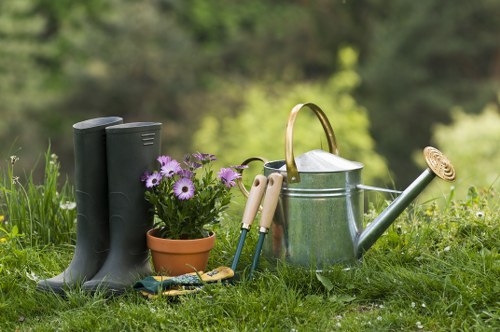 At Gardening Downham we are committed to creating an eco-friendly waste disposal area and a thriving sustainable rubbish gardening area where every seedling of effort grows into meaningful environmental benefit. Our plan balances practical on-site recycling with borough-level policies so that our gardening recycling area helps residents and volunteers reduce landfill, support reuse and improve soil health. We present a clear recycling percentage target, partnerships with local charities, and low-carbon logistics to make green waste disposal both efficient and accessible.
We have set an ambitious recycling percentage target of 70% diversion by 2030 across all gardening-related streams — green waste, compostable kitchen scraps from community kitchens, wood and pallet reuse, and dry recycling from tool sheds. This sustainable gardening waste area target aligns with borough efforts to increase separate collections for food, garden, glass, paper and metal. The target is supported by monitoring at our compost bays and by monthly reporting so progress is transparent to the neighbourhood.
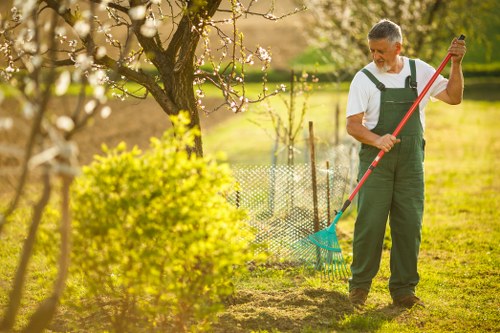 Our approach links local transfer stations and civic infrastructure with grassroots action. We coordinate routine deliveries to nearby transfer stations for materials that cannot be remedied on-site, and we prioritise routing to facilities that accept mixed green waste, bulky wood for reprocessing, and recoverable plastics. The borough’s approach to waste separation — including colour-coded bins for organics, mixed recycling and residual waste — informs the layout of our green waste disposal hub so volunteers and visitors can easily follow separation rules.
Local Transfer Stations and Circular Partnerships
Gardening Downham works directly with several transfer stations and community reuse centres in the borough to keep material in circulation. Instead of single-use disposal we emphasise reuse chains: timber and pallets become raised beds, seed trays are collected for sterilisation and reuse, and surplus topsoil is redistributed to other community plots. Partnerships with municipal transfer stations ensure compliance with waste permits while accelerating the move from landfill to circular reuse.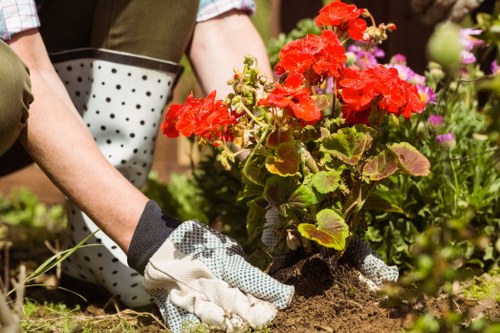
Charity Partnerships and Community Reuse
We maintain active collaborations with charities and community organisations that specialise in reuse and redistribution. These include local tool libraries, furniture refurbishers, and clothing and seeds banks. Activities include coordinated collection days, donation sorting sessions, and scheduled pickups for items that the site cannot process. Key recycling activities relevant to the area include:- Collection of green garden waste for composting and mulching
- Separation of food waste for anaerobic digestion where available
- Dry recycling drives for plastics, glass and metal at community events
We also support community swaps and tool-sharing to reduce consumption; items beyond repair are routed to charity partners who specialise in parts recovery. The combination of on-site processing and charity redistribution strengthens the local circular economy and reduces pressure on transfer stations and the wider waste network.
To make our operations low-emission we are rolling out a fleet of low-carbon vans for collections, deliveries and partner transfers. These vehicles are predominantly electric or hybrid, and are deployed on optimised routes to minimise mileage. Route planning software and grouped pick-ups reduce fuel use and improve efficiency when transporting compost, soil, or reusable materials to the borough transfer points and charity centres.
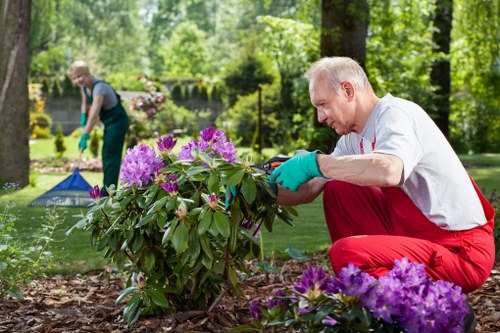 Operational details for the sustainable rubbish gardening area include segregated bays for compostables, dedicated wood chipping stations, and clearly marked container areas for glass, paper and plastics. We adopt the borough’s colour-coded separation where possible, and we place signage and simple pictograms at each station so that visitors can easily comply. This visual consistency helps to reduce contamination and improves the recovery rate at downstream facilities.
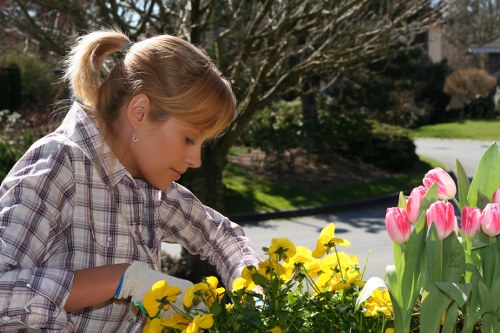 Aside from infrastructure, community engagement is central. We run regular collection days for bulky garden waste and partner charity pick-ups to redistribute usable items. Our monitoring shows that local, small-scale interventions — like communal composting and scheduled transfers to reuse centres — lift recycling outcomes significantly. We emphasise measurable targets and iterative improvements so the eco-friendly waste disposal area evolves with practical feedback while staying aligned with borough waste separation policies.
Accountability is built into the plan: monthly audits, annual review of the recycling percentage target, and public reporting of key metrics. We publish summaries of diversion rates and resource flows (materials sent to transfer stations, volumes given to charity, and quantities composted on site). A combination of on-site processing and strategic brokerage with transfer stations and charities reduces reliance on landfill and increases the resilience of our gardening recycling area.
In the longer term Gardening Downham aims to develop a recognized green waste disposal hub that other neighbourhoods can emulate. By blending partnerships with charities, low-carbon vehicles, and consistent adoption of the borough’s waste separation principles, we build a scalable model for neighbourhood-level sustainability. The result is a community space where reuse, recycling and responsible disposal are normal parts of daily gardening life.
Join us in supporting the transition to a more sustainable rubbish gardening area: whether by sorting garden clippings correctly, donating usable materials to our charity partners, or supporting low-emission logistics, every action helps us reach our 70% diversion goal and keep Gardening Downham an example of practical, community-led environmental stewardship.